The Kaspr alternatives that make the most sense for recruiters in 2026 are HeyTalent, Lusha, ContactOut, SalesQL, Hunter, Dropcontact, Apollo.io, Snov.io, RocketReach and UpLead. None of them wins across the board: each one solves a different layer of the sourcing workflow, from finding the profile to sending the first message. The useful question isn't which tool returns more contacts, but which stretch of the process you need to cover and at what cost per valid candidate. In Spain and the EU there is also a compliance layer to settle before the first sequence goes out.
What is Kaspr and what it solves in a recruiting workflow
Kaspr is a browser extension with a B2B contact database that reveals emails and phone numbers from a LinkedIn profile. In a recruiting workflow it covers one specific layer: turning a profile you have already found into a usable way to reach that person.
What Kaspr does not do marks its limit: it does not discover talent, it does not prioritise candidates by fit with the role, and it does not work as a system of record. That is why people looking for a Kaspr alternative are rarely looking for more credits — they want to cover one of those other layers without adding another tool to the stack.
The Spanish market reinforces that shift. Job boards are consulted by 98% of candidates, company websites by 95%, recruitment firms by 93% and social networks by 88%, with LinkedIn the most used network for finding opportunities (55%), according to the analysis cited by Online Marketplaces based on Infoempleo and EY.
How to evaluate a Kaspr alternative: the six layers of the workflow
A Kaspr alternative is evaluated by workflow layer, not by credit count. Comparing prices without comparing which stretch each tool covers is the most expensive mistake in this market. The six layers to score each option against:
- Discovery: finding profiles that aren't on your list yet.
- Extraction: pulling the profile from LinkedIn or your own database.
- Enrichment: completing and verifying email and phone.
- Filtering: prioritising who to write to first.
- Outreach: sequences, follow-ups and channel.
- Compliance and record: legal basis, traceability and source of truth.
Rule of thumb: if your team still exports profiles to filter them by hand outside the tool, you haven't solved sourcing, you've only moved the work somewhere else.
Comparison of the 10 Kaspr alternatives in 2026
| Tool | Main layer covered | Best for | Pricing model |
|---|---|---|---|
| HeyTalent | Full workflow: discover, filter and reach out | Headhunters, agencies and in-house teams | Per organisation, not per seat; from €93/month billed annually |
| Lusha | Extraction and enrichment | Processes where the call matters | Credits per plan |
| ContactOut | LinkedIn extraction | Executive search and boutique agencies | Credits; team rates on request |
| SalesQL | LinkedIn extraction | Small teams with several seats | Seats included in the plan |
| Hunter | Email verification | Teams whose main channel is email | Credits per search and verification |
| Dropcontact | Enrichment processed in the EU | Strict regulatory requirements | Pay-on-success: you pay on a match |
| Apollo.io | Outreach and sequences | Agencies chasing clients and candidates | Suite priced by credits and licences |
| Snov.io | Verification and campaigns | Volume with repeatable processes | Tiered; LinkedIn as an add-on |
| RocketReach | Second data source | Ad-hoc searches and coverage gaps | Plans with exports and API |
| UpLead | Multichannel enrichment | Teams alternating email and phone | Credits per contact |
HeyTalent: LinkedIn extraction, AI filters and outreach in one workflow
HeyTalent covers four layers in one tool: it extracts LinkedIn profiles in real time, filters them with custom AI variables, finds email and phone, and runs automated omnichannel outreach sequences. It is the Kaspr alternative built from recruiting sourcing rather than from sales prospecting.
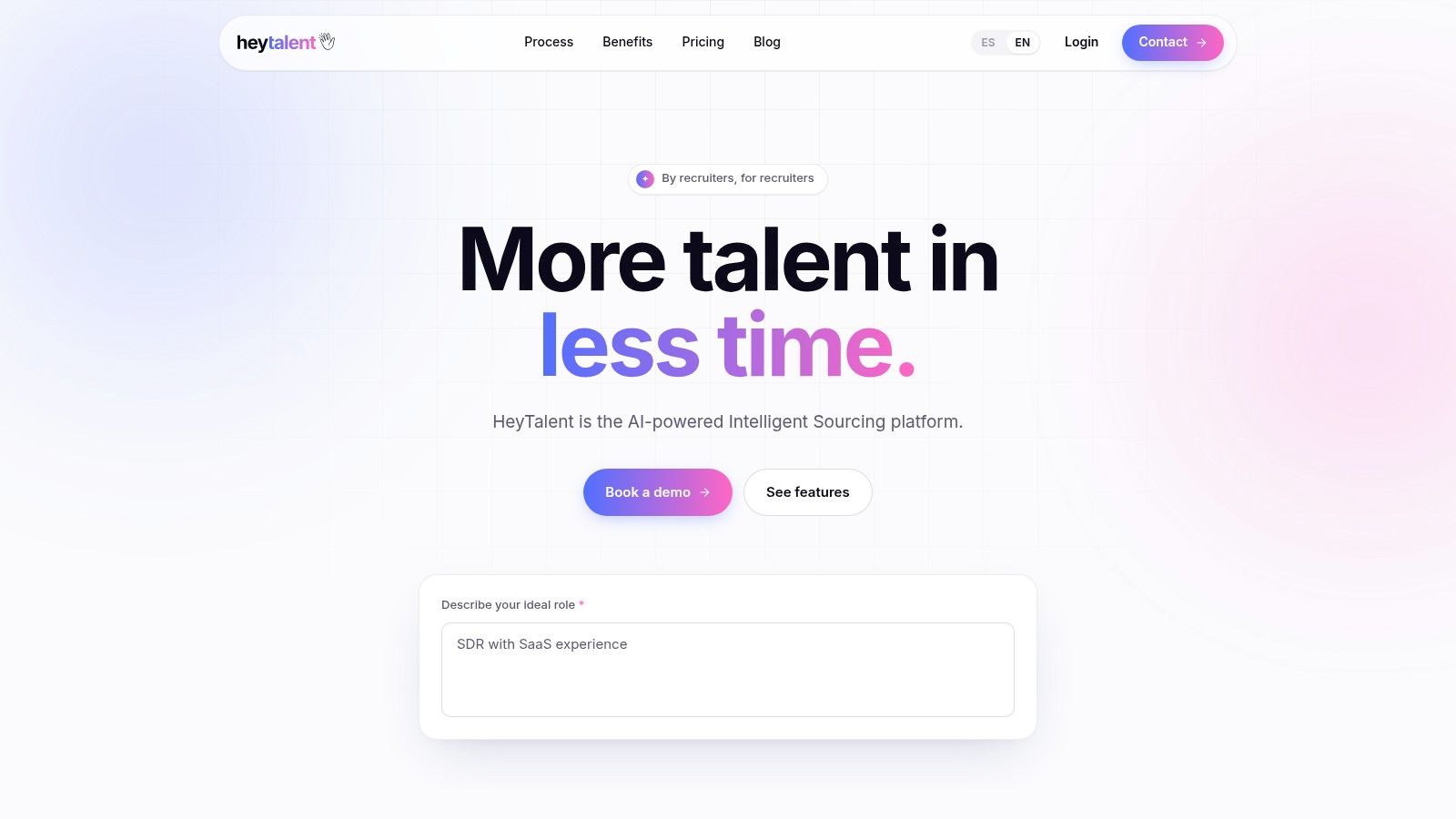
Where HeyTalent differs is filtering, not database size. The bottleneck isn't finding people, it's quickly working out who to write to first, and custom AI variables build that filter around the criteria of the role. According to HeyTalent, its users work 60% faster during their first month of use, an average efficiency gain the company attributes to tighter lists and filters.
HeyTalent has two limits. AI-inferred variables prioritise, they don't replace human validation. And it doesn't take your ATS's place: HeyTalent offers its own ATS at no cost and charges for the sourcing layer.
Kaspr alternatives for pulling contacts from LinkedIn
Lusha, ContactOut and SalesQL are the Kaspr alternatives closest in philosophy: lightweight extensions that reveal email and phone from a profile you've already found. All three fit when discovery happens on LinkedIn and the bottleneck shows up right after.
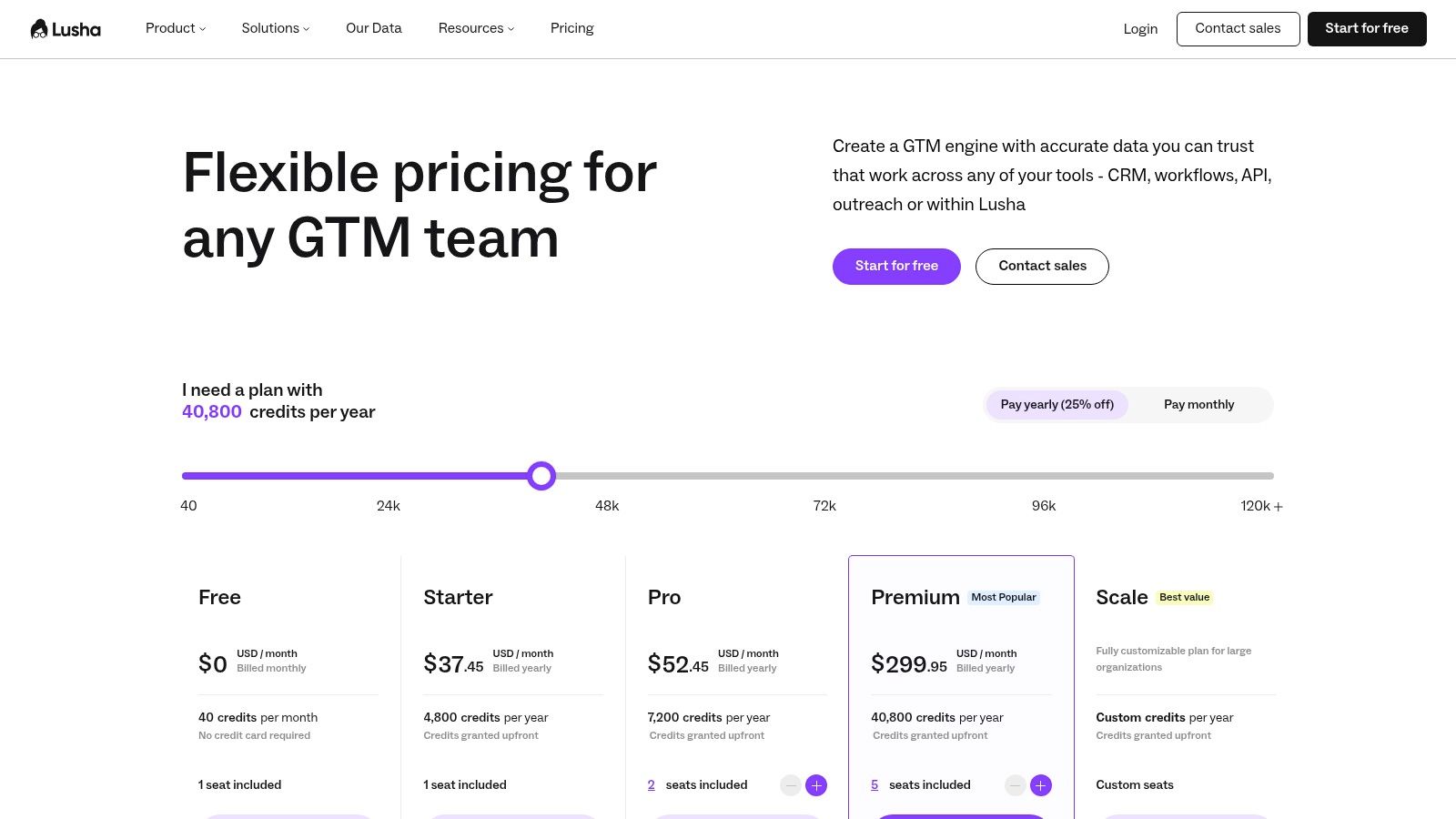
Lusha performs best when the call carries weight in the process: sales profiles or middle managers where a mobile number beats an email. Its risk is cost, because a phone-led playbook burns through credits sooner.
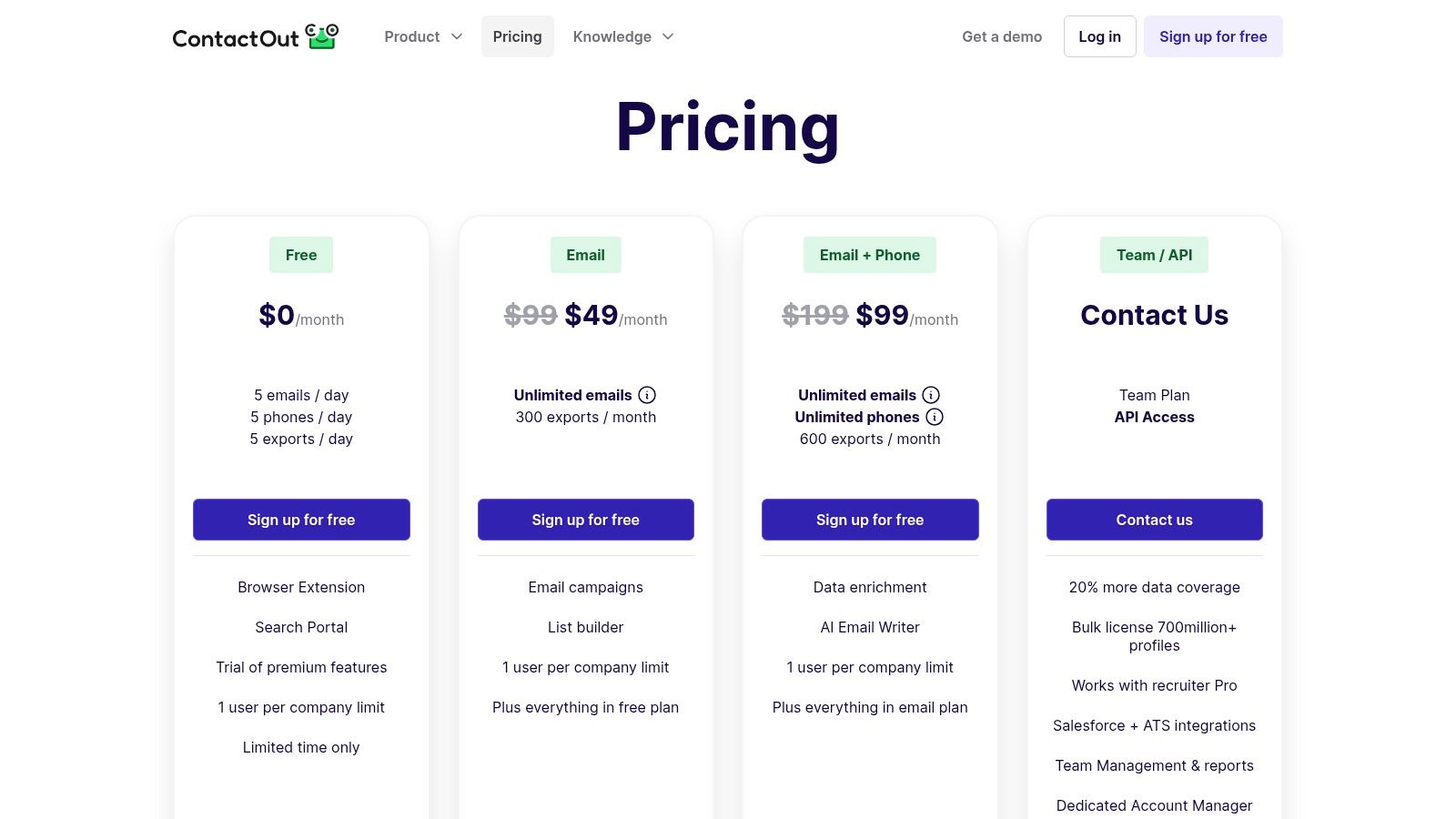
ContactOut is the natural pick for executive search and boutique agencies, where every career path is reviewed one by one and a fast extension beats a full suite. Its limit is phone coverage compared with call-oriented tools.
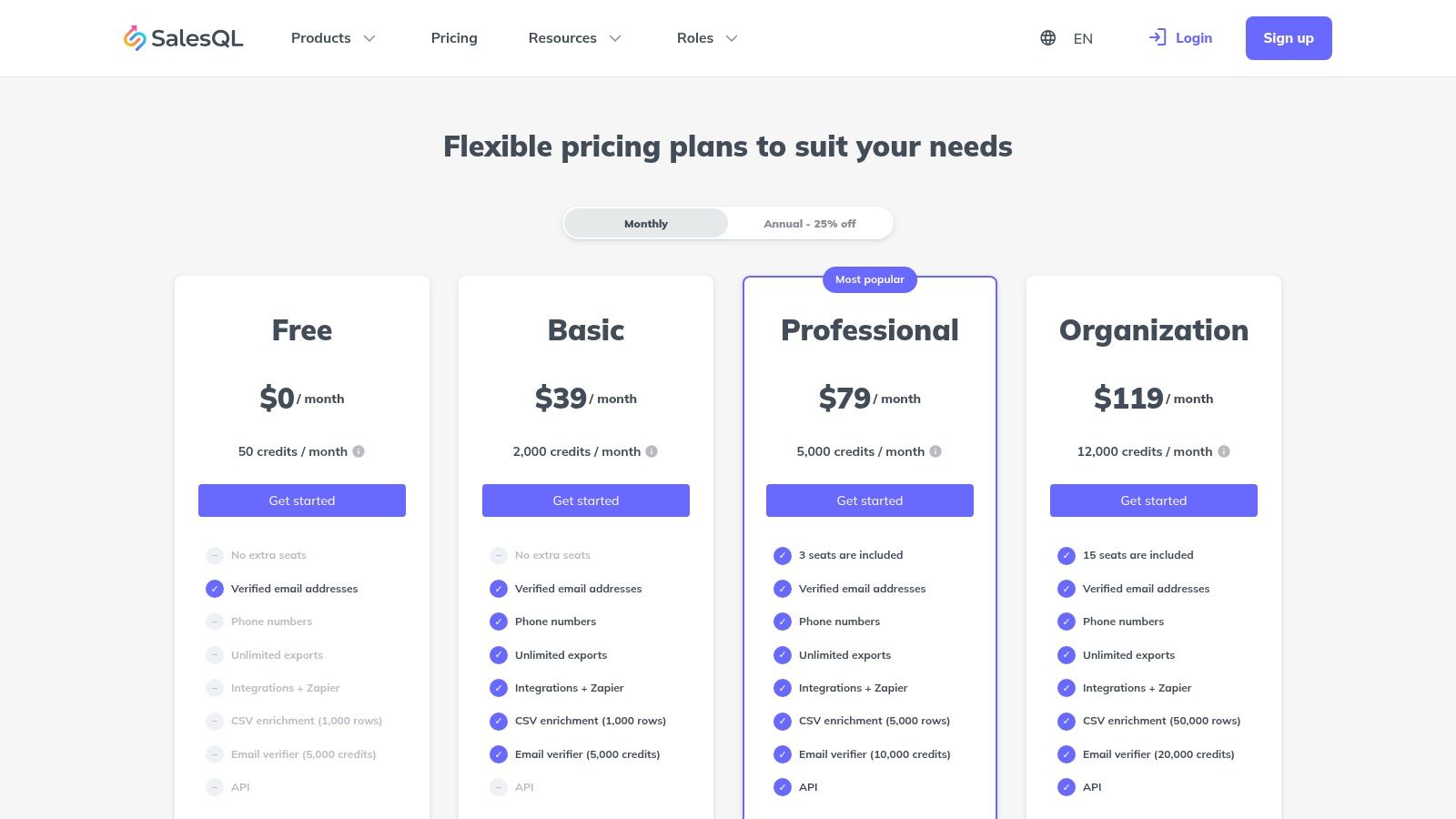
SalesQL covers the same layer with a detail that matters in a B2B purchase: on some plans the seat structure works out better if the team doesn't want a licence per recruiter. It adds little on filtering and nothing on follow-up, so it pays to be clear on which contact data for recruiters you need before picking an extension.
Kaspr alternatives focused on email and verification
Hunter and Dropcontact are the Kaspr alternatives for teams whose main channel is email. Neither covers the full recruiting workflow: they concentrate on finding and verifying the email before it enters a sequence.
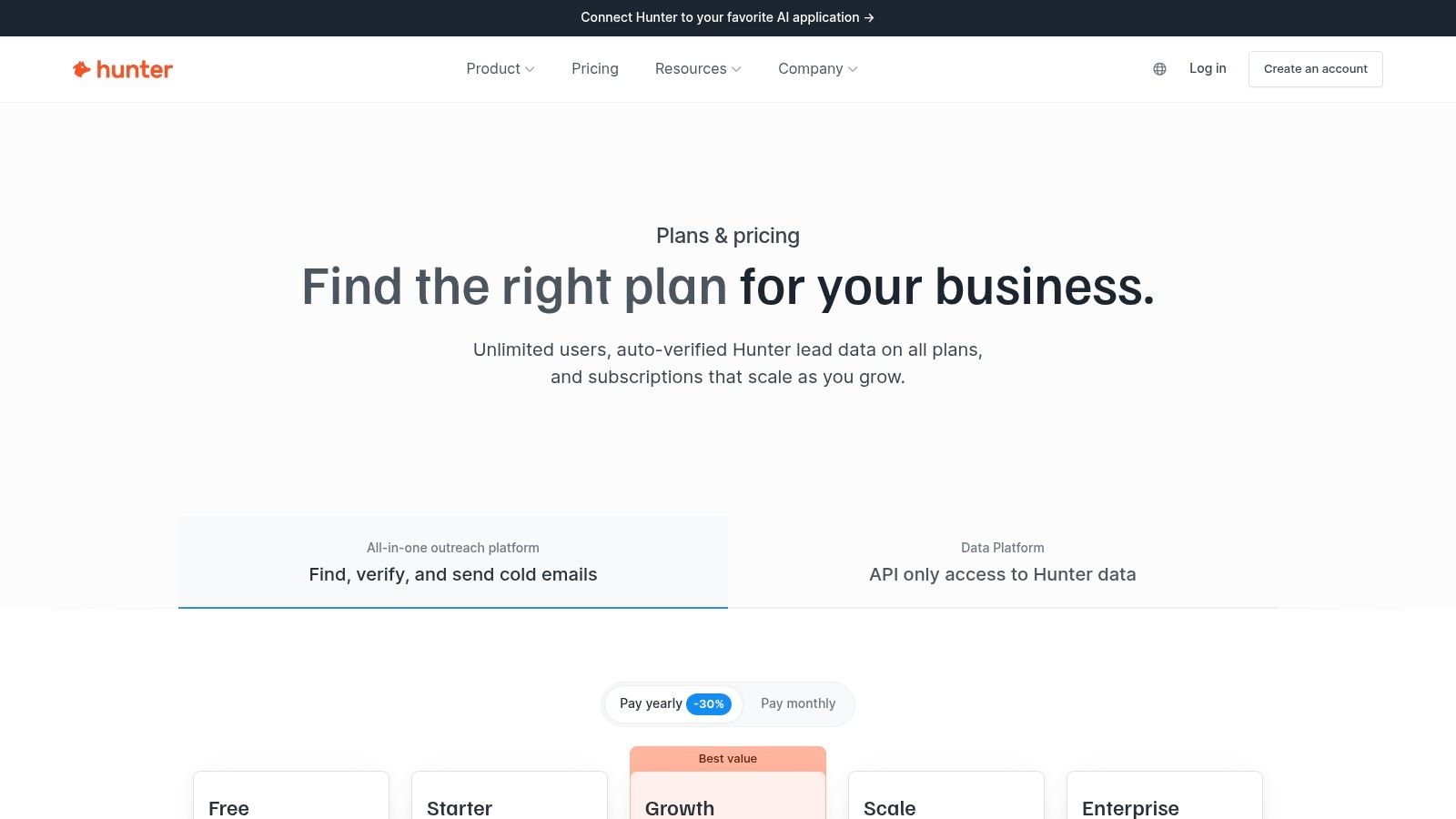
Hunter handles corporate email with Domain Search, Email Finder and Verifier, plus a credit policy that is easy to forecast. It doesn't cover phone numbers or multichannel sequences, so it works as a layer alongside a sourcing tool or the ATS.
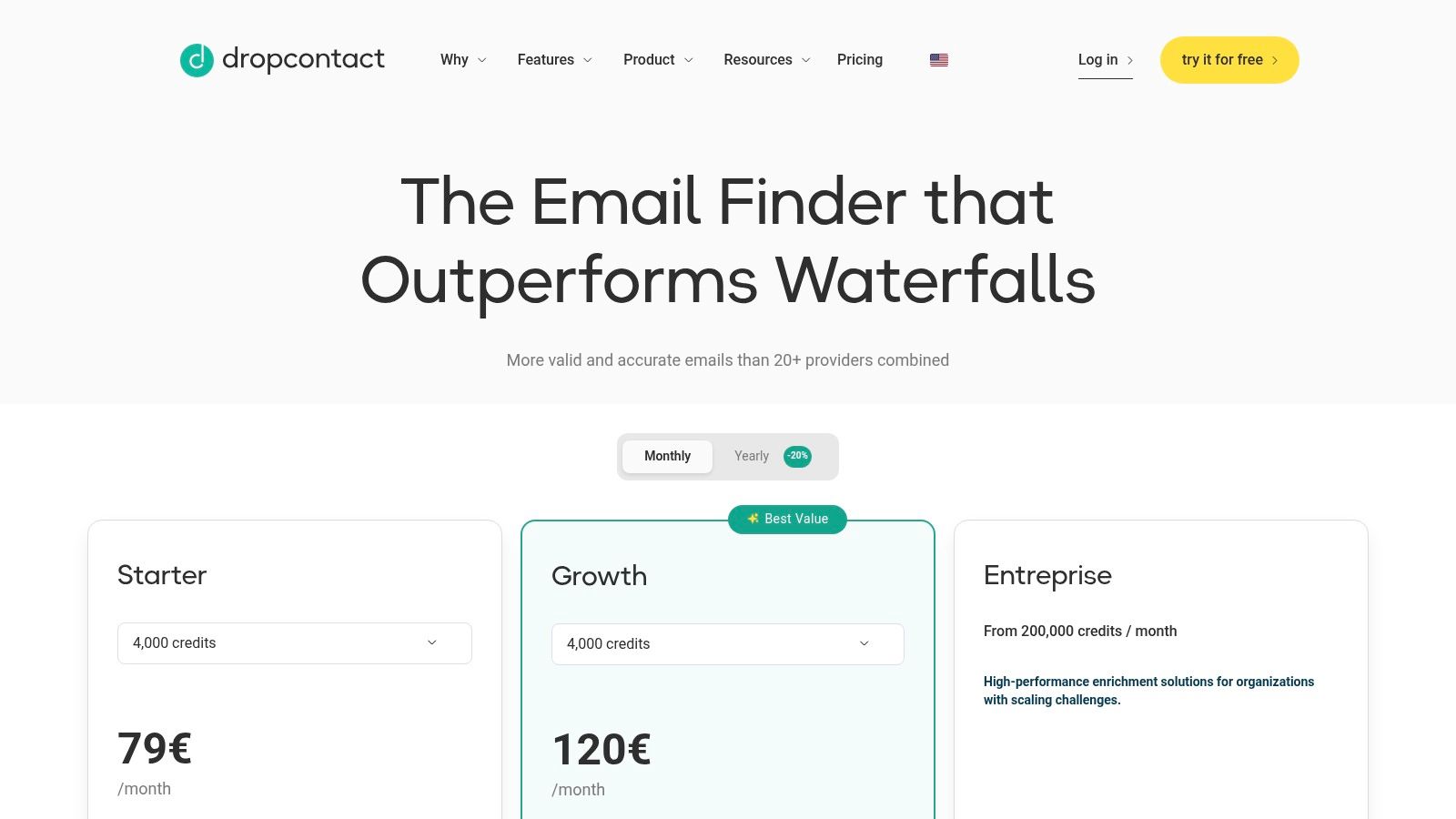
Dropcontact adds two things that matter in the EU: European processing and a pay-on-success model that avoids paying for records with no match. It loses ground on mobile numbers and LinkedIn-first workflows, so it fits as an intermediate piece rather than a full Kaspr replacement. This piece on data enrichment in recruiting pins down when verification is enough.
Kaspr alternatives with built-in outreach and sequences
Apollo.io and Snov.io are the Kaspr alternatives for teams that want data and campaigns on the same licence. Both cover outreach and follow-up, and both demand discipline for the ATS to remain the source of truth.
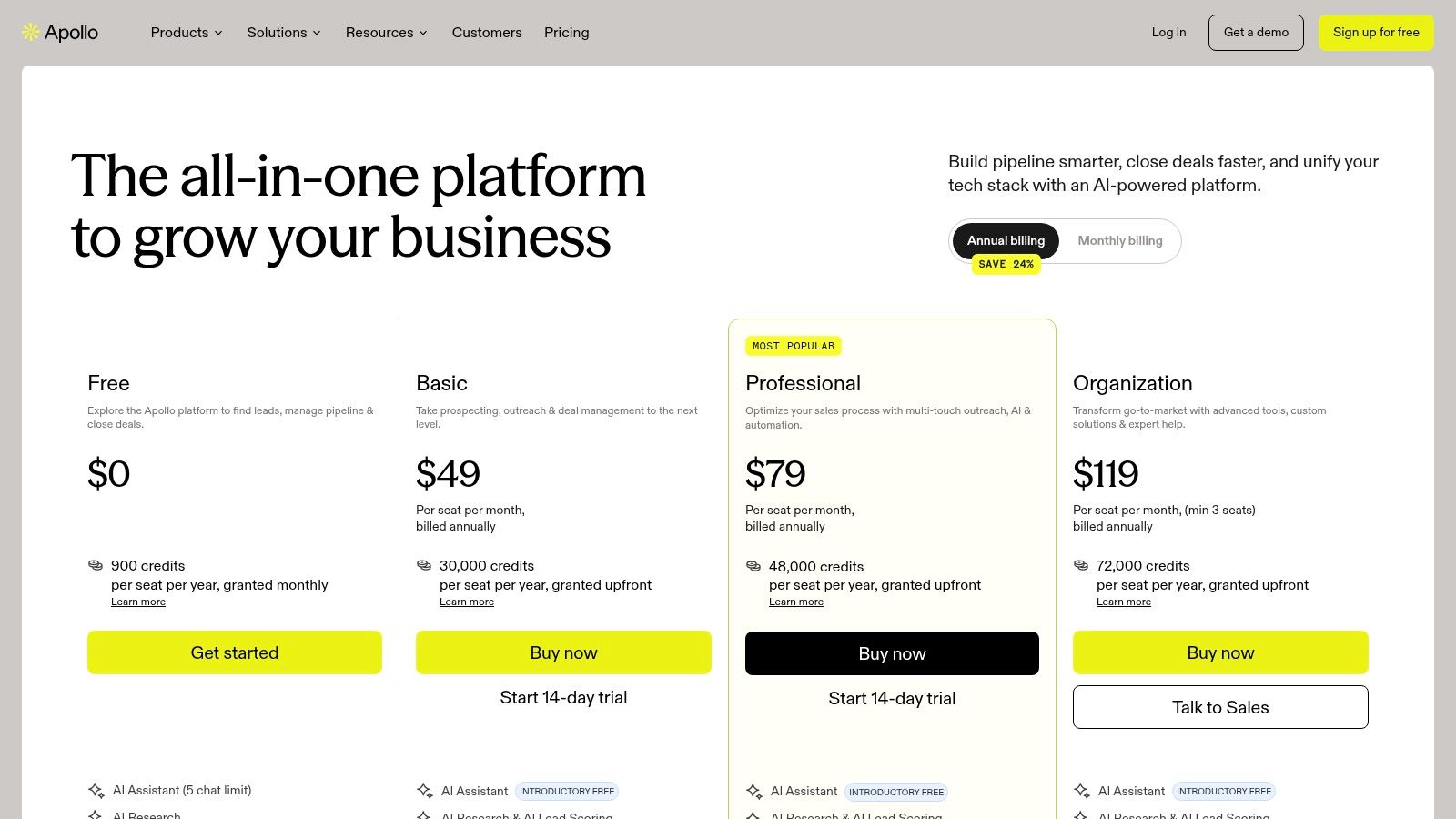
Apollo.io combines discovery, contact data and sequences, and works in agencies that mix client acquisition with candidate search. Its weak spot for recruiting is filtering: it segments well commercially and falls short for a demanding shortlist.
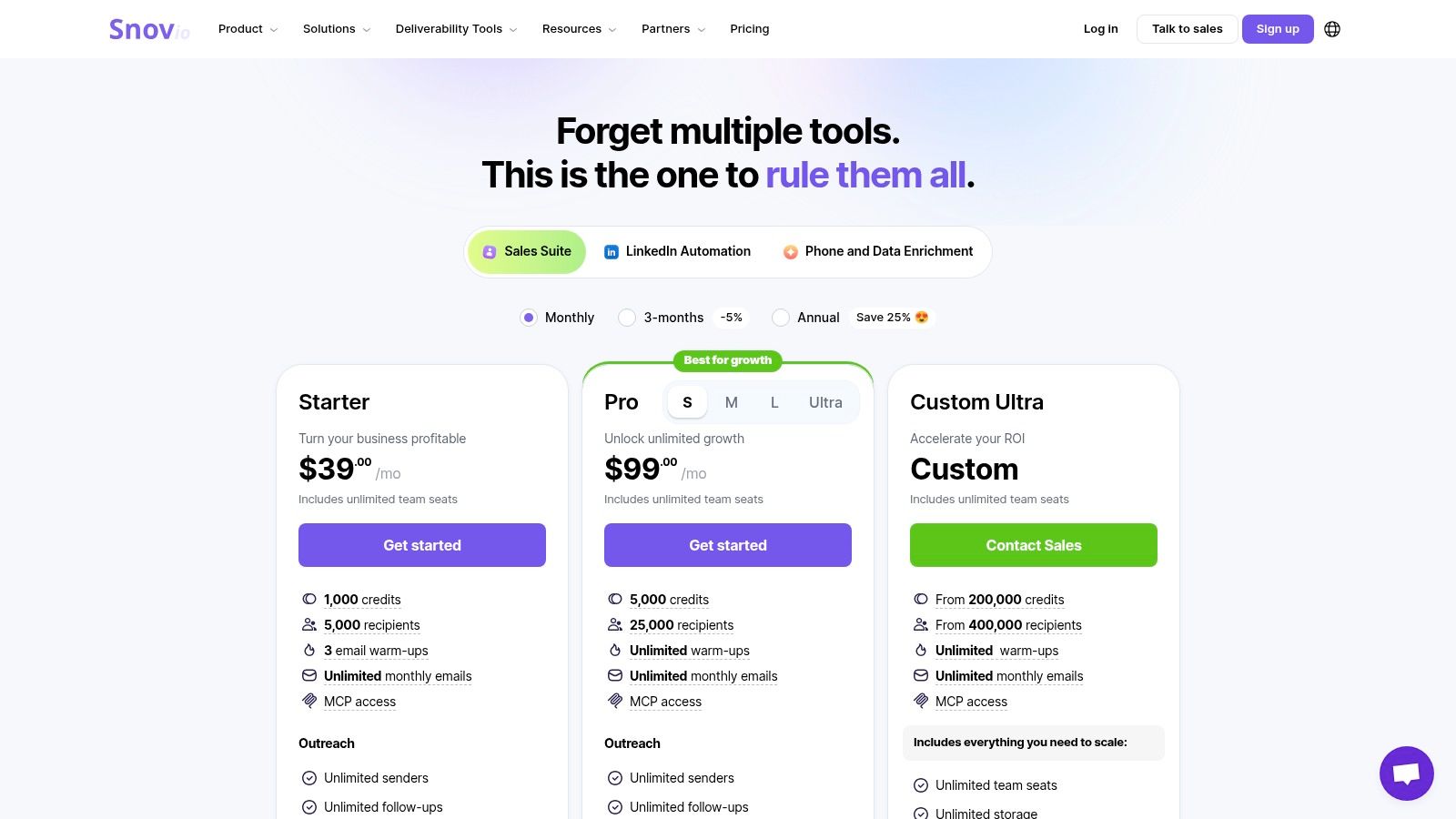
Snov.io fits volume operations with repeatable processes: finder, verifier, a light CRM and automation in one environment. Check a cost that shows up later: LinkedIn automation is an add-on and changes the total for teams with several recruiters.
Kaspr alternatives as a second data source
RocketReach and UpLead work as coverage backup, not as the central tool: they close gaps when the main source doesn't return reliable data.
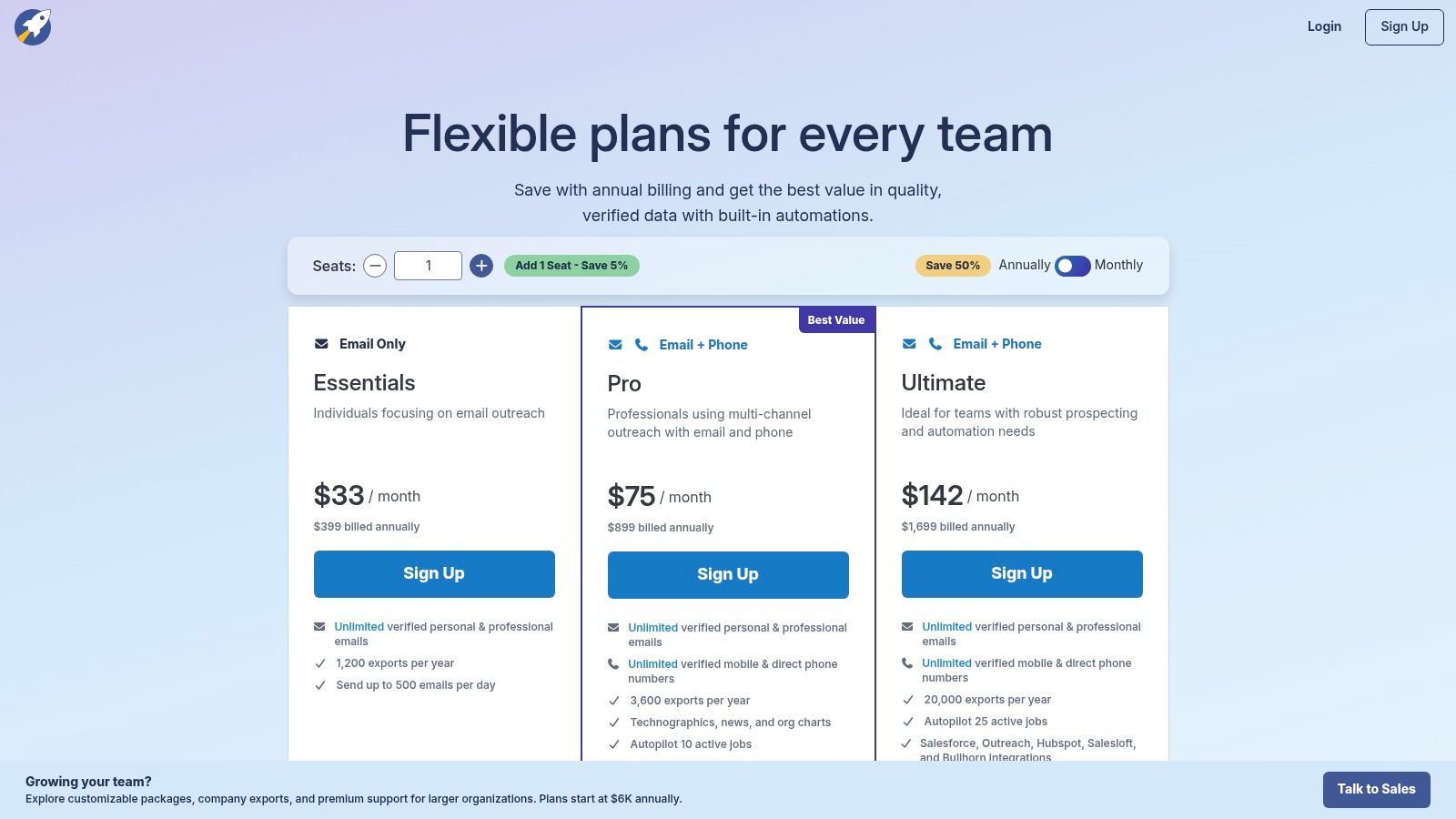
RocketReach performs well on searches by name, company or domain, and as a second check on sensitive roles. Its risk is operational: if several recruiters export to CSV and load contacts by hand, you get duplicates and doubts about who contacted whom.
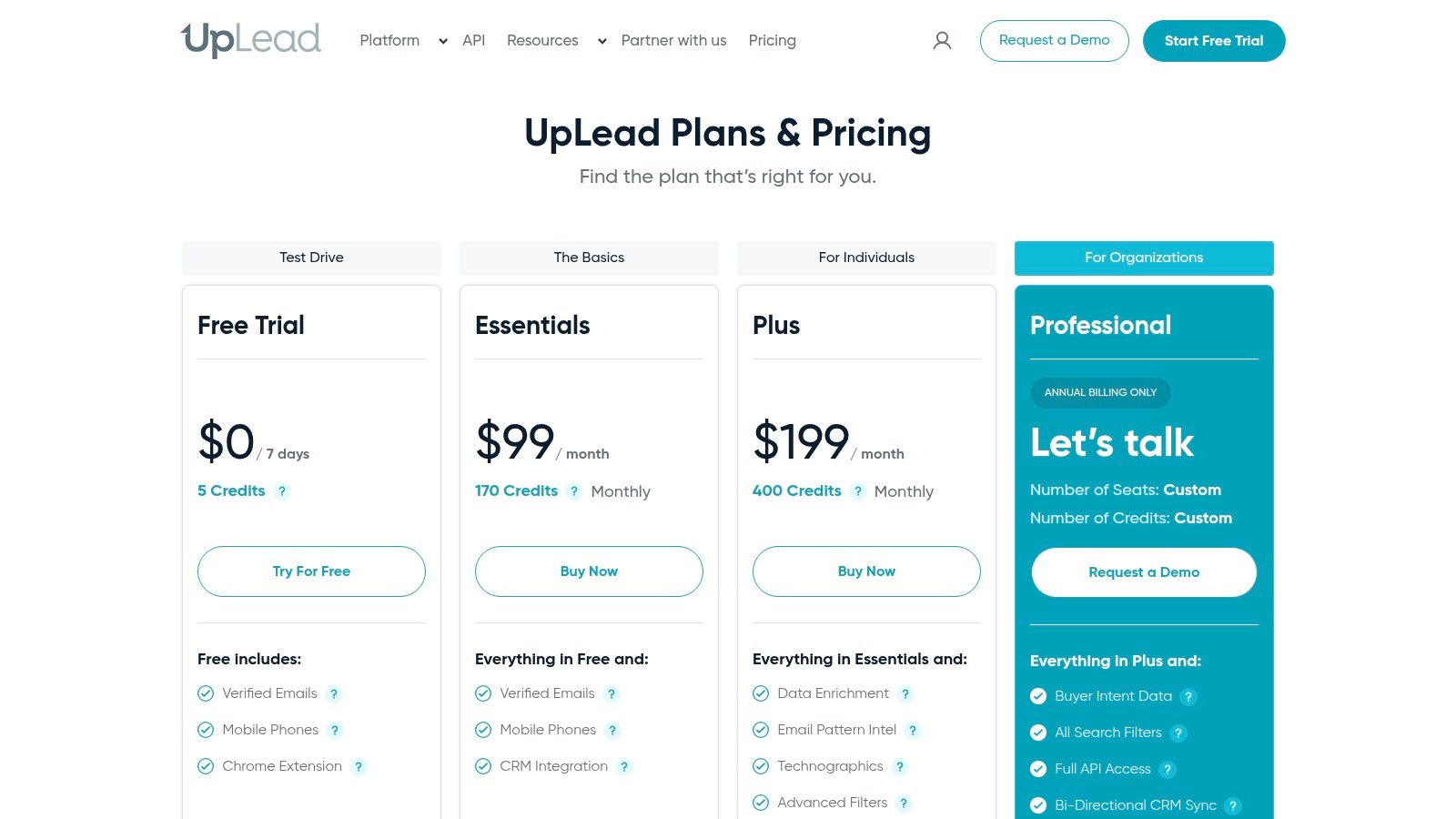
UpLead provides a usable base of emails and phone numbers for the middle of the workflow, with a good fit for CSV uploads. Its cost is sensitive to heavy use: enrich a lot of volume per role and the credits go fast.
How much a Kaspr alternative costs and how to work out cost per valid candidate
The real cost of a Kaspr alternative isn't the plan price, it's the price per valid candidate contacted. A credit that returns an out-of-date phone number costs the same as one that opens a conversation, and that difference appears on no price list.
You need three numbers from your own operation: credits per role, percentage of usable data and percentage of contacts that turn into a conversation.
The billing model also changes the maths with team size. HeyTalent charges per organisation rather than per seat, which the company says means savings of up to 5x against the cost of LinkedIn Recruiter; that saving grows with the number of recruiters and doesn't apply the same way to someone working alone.